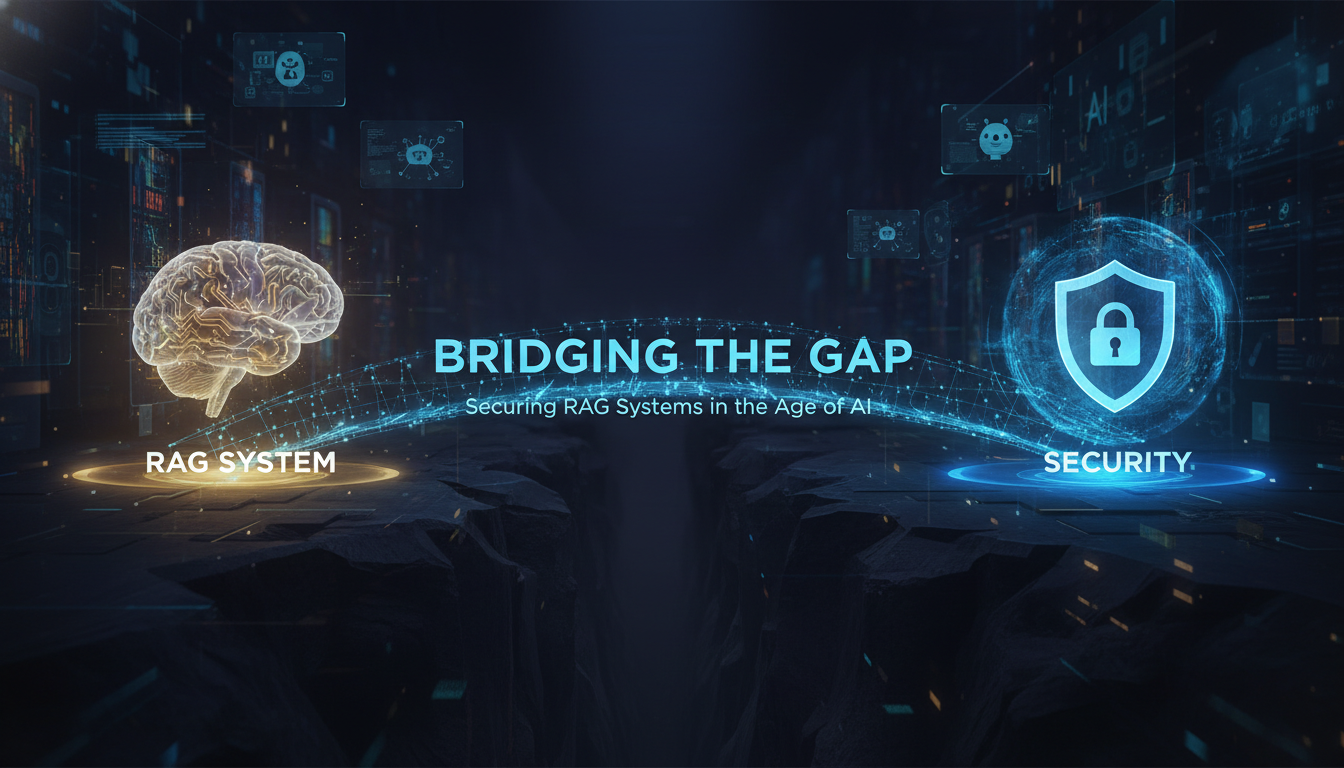
In the rapidly evolving world of AI and data management, Retrieval-Augmented Generation (RAG) systems are emerging as powerful tools that seamlessly blend the capabilities of large language models with enterprise data. However, as these systems become more prevalent, it is becoming abundantly clear that traditional security frameworks are ill-equipped to handle the unique vulnerabilities they present. The recent $32 billion acquisition of Wiz by Google underscores the critical need for a new approach to securing RAG infrastructures.
The Unseen Vulnerability in Vector Databases
One of the most pressing security issues within RAG frameworks is the lack of native authentication controls in vector databases. These databases, designed for speed and efficiency, often store an organization's most sensitive data without the robust security features seen in traditional databases. The consequence is a system where unauthorized access to representations of sensitive documents is alarmingly easy.
Traditional databases have long evolved to include strict access mechanisms, but vector databases have prioritized operational speed over security. This shift leaves a gaping hole in the security fabric, as anyone with query access could potentially retrieve sensitive embeddings, exposing critical information without needing explicit permissions.
The Disappearing Act of Document Permissions
A significant security flaw in RAG systems arises from the "chunking" process, where documents are broken into smaller embeddings for processing. This process strips away the original permissions and access controls, making confidential information accessible to users without the necessary clearance. For instance, sensitive board presentations might be chunked and stored without preserving the access limitations initially placed on them.
This oversight is not merely a theoretical risk. Security audits reveal that once documents are embedded into vector stores, they often become unrestricted, allowing potentially sensitive information to be queried by unauthorized users.
Data Poisoning: A Hidden Threat
Beyond authentication issues, RAG systems are also susceptible to data poisoning attacks. These occur when malicious insiders modify source documents or inject corrupted embeddings into the system, thereby manipulating the output without triggering standard security alerts. This kind of insider threat can lead to the dissemination of false information, significantly undermining the integrity of the entire RAG system.
Google's acquisition of Wiz highlights the importance of integrating AI-powered threat detection to counteract these vulnerabilities. Detecting unusual data access patterns and suspicious modifications is crucial to maintaining the integrity of RAG outputs.
Authorization Bypass: The Core Challenge
The very architecture that makes RAG systems powerful—their ability to synthesize information across vast data estates—also poses a significant security challenge. By breaking down information silos, RAG systems inadvertently create pathways for unauthorized access, bypassing traditional permission structures.
When document chunking occurs, the fragments lose their context, and a well-crafted query can aggregate sensitive data from multiple sources, exposing information that should remain confidential. This ability to bypass authorization controls creates a potential security nightmare, particularly in multi-tenant environments where data from different business units must remain isolated.
The Multi-Tenant Challenge
For organizations operating RAG systems across multiple business units or customer segments, ensuring data isolation is vital. Traditional row-level security does not translate well into the vector similarity searches employed by RAG systems. Thus, the integration of consistent policy enforcement and real-time monitoring becomes essential to prevent cross-tenant data exposure.
Google, through its acquisition of Wiz, aims to address these challenges by implementing a unified security posture across cloud platforms. This approach promises to enhance policy enforcement, monitor retrieval patterns for information leakage, and automatically remediate access anomalies.
The Financial Implications of RAG Security
The $32 billion valuation of the Wiz acquisition is a testament to the strategic importance of securing AI infrastructures. The costs associated with RAG security failures are not just theoretical. Unauthorized access can lead to regulatory penalties, legal liabilities, and significant remediation expenses. Moreover, breaches involving synthesized insights across entire data estates can be more damaging than isolated data leaks.
Organizations must now factor in the "security tax" when budgeting for RAG systems. This includes investing in advanced threat detection, developing vector database access controls, and ensuring compliance with RAG-specific regulatory requirements.
Building RAG Systems with Security at the Forefront
The Google-Wiz acquisition sets a new standard for what is considered "production-ready" in RAG deployments. Moving forward, organizations must prioritize:
In conclusion, the acquisition of Wiz by Google is a wake-up call for enterprises deploying RAG systems. The traditional security measures are no longer sufficient. Organizations must adopt a proactive approach to RAG security, integrating it into the architectural foundation of their systems. This shift not only mitigates risks but also positions enterprises to leverage RAG capabilities confidently and competitively in an increasingly AI-driven world.