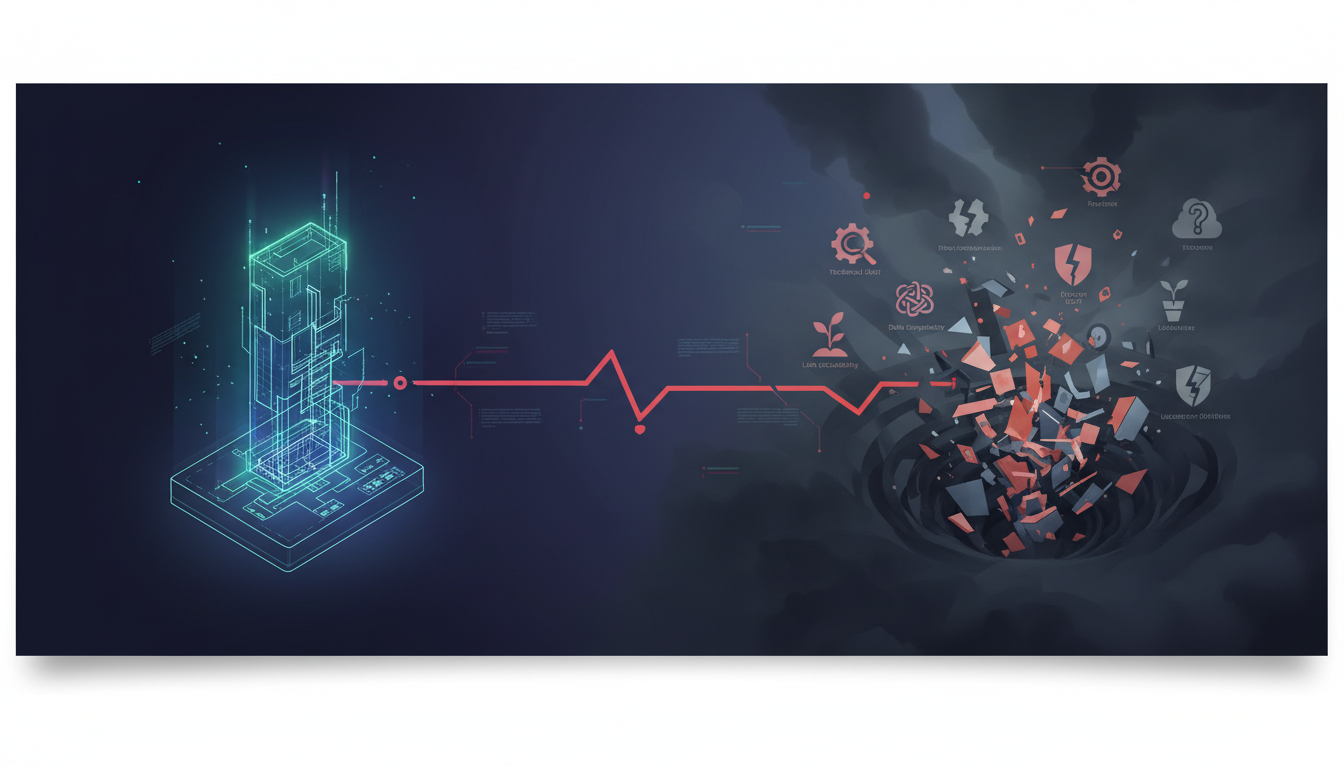
The journey from a polished proof of concept (PoC) to a robust, production-ready system is fraught with challenges that many teams underestimate. When it comes to Retrieval-Augmented Generation (RAG) systems, these challenges are often not due to the complexities of the technology itself but rather the missteps in the approach and mindset from the outset. Let’s delve into the seven pitfalls that frequently derail RAG PoCs and how to navigate around them for a successful deployment.
Believing the Evaluation Dataset Is Your Production Dataset
One of the most critical errors teams make is treating their evaluation dataset as a stand-in for real-world usage. The allure of a clean, curated dataset is strong, but it’s a trap. Real-world data is messy—full of typos, complex queries, and inconsistent formats. Relying solely on pristine datasets can lead to a false sense of security and a PoC that crumbles under the weight of actual user queries.
To mitigate this, incorporate real-world data from the start. Use logs from your existing systems to capture the diverse and often chaotic nature of user interactions. By confronting these challenges head-on during the PoC phase, you’re better equipped to develop a system that withstands the unpredictability of real-world use.
Optimizing for a Single, Simplistic Metric
Chasing a single metric, like accuracy, often leads to a narrow focus that ignores the multifaceted nature of enterprise needs. A PoC that excels in one dimension might fail to meet the broader requirements of speed, usability, and reliability.
Instead, create a balanced scorecard that reflects the varied demands of your use case. For instance, a customer service tool might prioritize response time and user satisfaction alongside accuracy. By evaluating multiple metrics, you ensure the system’s overall utility and robustness.
Ignoring Context Window Consumption as a First-Class Metric
The financial viability of a RAG system is frequently overlooked until it’s too late. Context window consumption, the amount of text processed by your model, directly influences cost. Without careful monitoring, these costs can spiral out of control, rendering the system unsustainable at scale.
From the beginning, track token usage meticulously. Analyze the trade-offs between cost and performance to avoid unpleasant surprises in your budget. This practice not only ensures financial feasibility but also guides architecture decisions that balance performance with cost-effectiveness.
Treating the LLM as a Magic Black Box That Never Fails
Many teams fall into the trap of treating the language model as an infallible oracle. When faced with incorrect outputs, the instinct is to tweak prompts endlessly. However, the root cause often lies in poor data retrieval rather than the model itself.
Adopt a rigorous debugging protocol that first examines the data fed into the model. By focusing on data retrieval and processing, you address the underlying issues rather than masking symptoms with prompt adjustments. This approach builds a stronger foundation for your system’s performance.
Forgetting That Users Are Part of the System
A technically sophisticated system can still fail if it neglects the user experience. Users need transparency and control—without these, even the most accurate system can be rendered useless.
Embed user feedback mechanisms and transparency features early in the PoC. Allow users to trace answers back to their sources and provide input when the system’s confidence is low. This not only builds trust but also provides invaluable insights into system performance and user needs.
Testing in a Vacuum, Without a Real-World Stressing Regime
A PoC that performs well under controlled conditions might not survive the chaos of real-world deployment. Systems must handle network latency, load spikes, and service outages gracefully.
Simulate real-world conditions during testing. Introduce latency, test scalability under load, and develop fallback strategies for service disruptions. By stress-testing the system in a controlled environment, you uncover weaknesses and build resilience before going live.
Assuming the Work Ends When the PoC “Succeeds”
Finally, the transition from PoC to production often reveals a gap in readiness. A PoC built as a standalone demonstration may not translate easily into a scalable, maintainable system.
From the outset, develop your PoC with production in mind. Use modular code, document your processes, and align with your organization’s deployment standards. This approach ensures a smoother transition from concept to reality, saving time and resources in the long run.
By addressing these pitfalls, you transform your PoC from a precarious showcase into a robust foundation for enterprise success. Focus on building systems that don’t just impress in theory but deliver real value in practice.